


"Why Do My Knee Joints Hurt?" Best Ways to Reduce Joint Pain
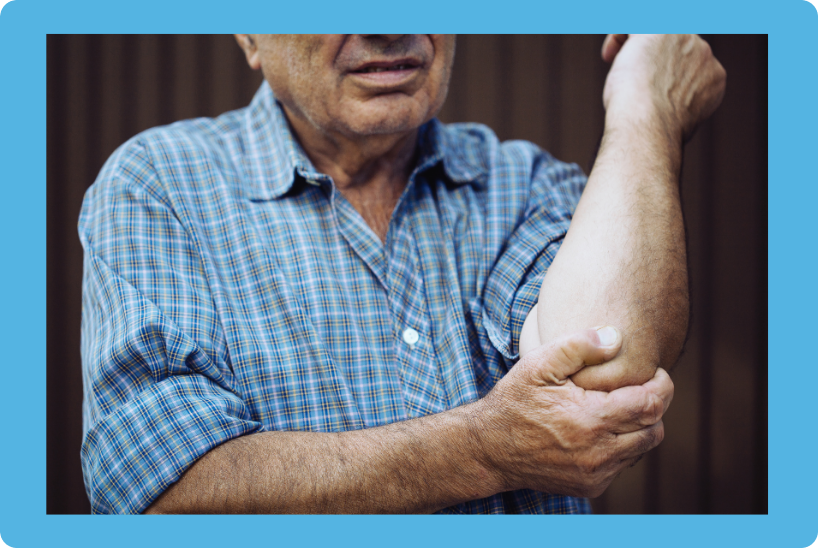
Joint pain is a common issue that can greatly disrupt daily life, making even simple tasks difficult to perform. From walking and exercising to standing for long periods, knee joint pain can limit mobility and affect overall well-being. Understanding why your knee joints hurt and learning how to support joint health naturally can help you stay active and comfortable.
Common Reasons for Knee Joint Pain
Knee joints bear much of the body’s weight, making them especially vulnerable to wear and tear. Some of the most common causes of knee joint pain include:
1. Age-Related Joint Wear
As we age, the cartilage that cushions the knee joint may gradually break down. This can lead to stiffness, discomfort, and reduced flexibility over time.
2. Inflammation in the Joint
Inflammation caused by lifestyle factors, physical stress, or underlying joint conditions may contribute to swelling and pain in the knees.
3. Physical Activity and Overuse
Repetitive movements, intense workouts, or improper form during exercise can place strain on the knee joint, leading to discomfort or injury.
4. Weak Muscles and Poor Alignment
Weak quadriceps, hamstrings, or hip muscles can reduce knee stability and increase pressure on the joint. Poor posture or walking mechanics may also worsen knee pain.
5. Excess Body Weight
Carrying extra weight increases stress on the knees, accelerating joint strain and discomfort during movement.
Common Symptoms of Knee Joint Pain
-
Stiffness or reduced range of motion
-
Swelling around the knee
-
Clicking or grinding sensations
-
Pain during or after physical activity
-
Difficulty standing, walking, or climbing stairs
If knee pain becomes persistent or severe, professional medical guidance is recommended.
Best Ways to Reduce Knee Joint Pain
1. Stay Active with Low-Impact Exercise
Activities such as walking, swimming, cycling, or yoga can help maintain joint mobility and strengthen muscles without placing excess stress on the knees.
2. Strengthen Supporting Muscles
Targeted exercises for the thighs, hips, and core can improve joint stability and reduce strain on the knee.
3. Maintain a Healthy Weight
Even small reductions in body weight can significantly decrease pressure on the knee joints and support long-term joint health.
4. Focus on Anti-Inflammatory Nutrition
A balanced diet rich in whole foods, healthy fats, and key nutrients supports joint function and overall wellness.
5. Support Joint Health with Supplements
Certain nutrients are commonly used to support joint and bone health, including:
-
Magnesium
-
Vitamin D & K2
-
Herbal ingredients traditionally used for inflammation support
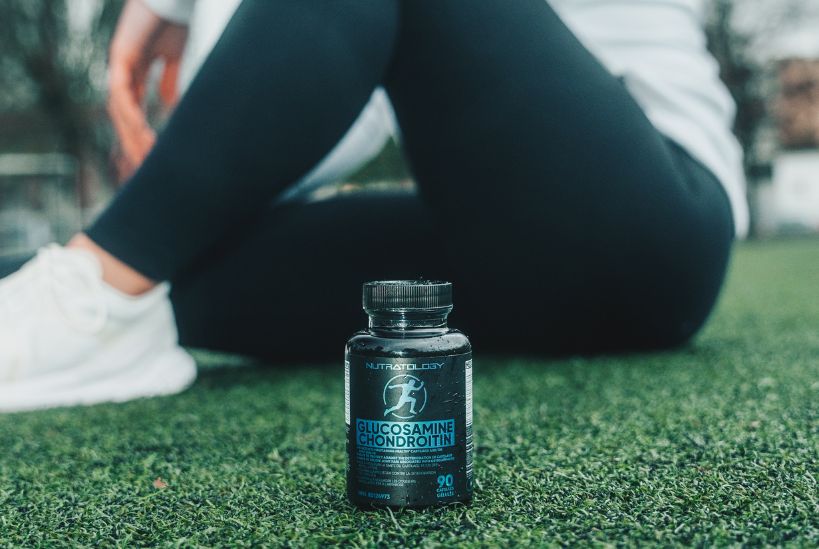
Choosing high-quality, third-party tested supplements, like those offered by Nutratology, can help support an active lifestyle when combined with healthy habits.
6. Prioritize Rest and Recovery
Allowing time for rest, stretching, and recovery helps reduce joint stress and supports long-term mobility.
When Should You Seek Professional Help?
Consult a healthcare professional if:
-
Knee pain lasts longer than a few weeks
-
Swelling or stiffness continues to worsen
-
Pain interferes with daily activities
-
You experience instability or reduced strength
Early attention can help prevent further joint discomfort.
Support Your Knee Joints for Long-Term Mobility
Knee joint pain doesn’t have to limit your lifestyle. By understanding its causes and making informed choices-such as staying active, maintaining proper nutrition, and supporting your joints with quality supplements can take meaningful steps toward improved comfort and mobility.
At Nutratology, we believe joint health starts with consistency, quality ingredients, and a balanced approach to wellness.

Comments