


"Why Do My Knee Joints Hurt?" 3 Best Ways to Reduce Joint Pain

Joint pain doesn’t always come from sudden injuries or aging alone. For many people, it develops slowly—often as a result of repetitive movements and overuse in everyday life. Whether it’s typing at a desk, lifting at the gym, working on your feet, or performing the same motions at work, repeated stress on your joints can quietly lead to discomfort, stiffness, and long-term damage.
Understanding how overuse affects your joints—and how to protect them—can help you maintain mobility, comfort, and overall quality of life.
What Is Repetitive Movement and Overuse?
Repetitive movement occurs when the same joint motion is performed again and again with little variation or recovery time. Over time, this constant strain can overload the tissues surrounding the joint, including muscles, tendons, ligaments, and cartilage.
Common examples include:
-
Typing or using a mouse for long hours
-
Repetitive lifting or gripping at work
-
Running or cycling without proper recovery
-
Assembly-line or manual labor tasks
-
Repeated bending, kneeling, or twisting
When joints don’t have adequate time to recover, micro-damage accumulates, leading to inflammation and pain.
How Overuse Leads to Joint Pain
1. Inflammation of Soft Tissues
Repetitive stress can inflame tendons and bursae (fluid-filled sacs that cushion joints). This inflammation often results in pain, swelling, and reduced range of motion.
2. Cartilage Wear and Tear
Cartilage acts as a shock absorber between bones. Overuse can gradually wear it down, increasing friction within the joint and contributing to stiffness and discomfort—especially in weight-bearing joints like the knees and hips.
3. Muscle Imbalances
Performing the same movements repeatedly can strengthen some muscles while weakening others. These imbalances place uneven pressure on joints, increasing strain and injury risk.
4. Reduced Joint Lubrication
Movement normally helps distribute synovial fluid, which lubricates joints. However, repetitive strain without variation can disrupt this balance, contributing to joint stiffness over time.
Common Joint Conditions Linked to Overuse
-
Tendinitis (inflammation of tendons)
-
Bursitis (inflammation of cushioning bursae)
-
Carpal tunnel syndrome
-
Runner’s knee
-
Tennis elbow
-
Osteoarthritis (long-term overuse)
These conditions often start with mild discomfort and worsen if the underlying cause isn’t addressed.
Signs Your Joint Pain May Be Due to Overuse
-
Pain that worsens during or after activity
-
Stiffness, especially after rest
-
Swelling or tenderness around a joint
-
Reduced flexibility or strength
-
Clicking or grinding sensations
Ignoring these early warning signs can allow minor irritation to develop into chronic joint problems.
How to Protect Your Joints from Repetitive Stress
1. Modify Movement Patterns
Vary tasks whenever possible. Small changes—like alternating hands, adjusting posture, or switching activities—can significantly reduce repetitive strain.
2. Take Regular Breaks
Frequent short breaks allow tissues to recover. Even a few minutes of rest or stretching every hour can make a difference.
3. Strengthen Supporting Muscles
Strong muscles help absorb stress and stabilize joints. Incorporate strength training and flexibility exercises to support joint health.
4. Maintain Proper Ergonomics
Ensure your workstation, tools, or exercise form supports neutral joint positioning. Proper alignment reduces unnecessary stress on joints.
5. Warm Up and Cool Down
Preparing your joints before activity and stretching afterward improves circulation, flexibility, and recovery.
The Role of Inflammation in Joint Pain
Chronic low-grade inflammation is a key contributor to overuse-related joint pain. When inflammation becomes persistent, it can delay healing and accelerate joint wear.
Supporting your body’s natural inflammatory response—through lifestyle changes, nutrition, and targeted supplements—can play an important role in joint protection.
Nutritional Support for Joint Health
Certain nutrients are known to support joint comfort and mobility:
-
Anti-inflammatory compounds (such as curcumin)
-
Omega-3 fatty acids
-
Antioxidants
-
Collagen and connective tissue support nutrients
These nutrients may help reduce inflammation, protect cartilage, and support long-term joint function when used as part of a balanced wellness routine.
Supporting Joint Health with High-Quality Supplements
For individuals experiencing joint stress from repetitive movements, high-quality supplements can provide additional support. Look for products that prioritize:
-
Clinically studied ingredients
-
High bioavailability
-
Transparent labeling
-
Clean, allergen-free formulations
Nutratology offers premium, carefully formulated supplements designed to support joint comfort, mobility, and overall musculoskeletal health—manufactured under strict quality standards in Canada.
When to See a Healthcare Professional
If joint pain persists, worsens, or interferes with daily activities, it’s important to consult a healthcare professional. Early intervention can help prevent long-term joint damage and guide appropriate treatment.
Final Thoughts
Repetitive movements and overuse are common-but joint pain doesn’t have to be. By understanding how daily habits affect your joints and taking proactive steps to protect them, you can reduce discomfort and preserve mobility over time.
A combination of smart movement habits, proper recovery, and targeted nutritional support can go a long way in keeping your joints healthy, resilient, and pain-free.
Updated One 18: ( after 17 run on this one)
18) "Why Do My Knee Joints Hurt?" 3 Best Ways to Reduce Joint Pain
Joint pain is a common ailment that significantly impacts the daily lives of many individuals. Whether it arises from overuse, injury, or underlying health conditions, the discomfort can be debilitating, affecting your ability to perform even simple tasks.
The pain experienced in the joints can vary from mild to severe and may be accompanied by symptoms such as swelling, stiffness, and reduced mobility. These symptoms not only hinder physical activity but can also affect mental well-being, leading to frustration and decreased quality of life.
However, managing joint pain is possible through a variety of strategies. By implementing lifestyle modifications, engaging in appropriate physical activities, and utilizing effective pain management techniques, individuals can alleviate their symptoms. Additionally, consulting healthcare professionals for tailored medical advice can provide further relief and help maintain overall joint health.
Taking proactive steps to address joint pain not only helps reduce discomfort but also enhances mobility and overall life quality, empowering individuals to lead more active and fulfilling lives.
What Causes Joint Pain?
Joint pain can arise from various factors, with osteoarthritis being one of the most prevalent causes. It typically occurs due to the wear and tear of cartilage, the cushioning material at the end of your joints. As the cartilage wears down, bones begin to rub against each other, causing pain and inflammation. Other factors that contribute to joint pain include:
Injuries: Joint pain can often be traced back to injuries such as sprains, strains, or tears in the ligaments surrounding the joint. These types of injuries, whether from sports, accidents, or overexertion, can cause significant acute pain and may lead to chronic issues if not properly treated.
Other forms of arthritis: Beyond osteoarthritis, other forms of arthritis such as rheumatoid arthritis and gout can also be major contributors to joint pain. Rheumatoid arthritis is an autoimmune disorder where the body’s immune system mistakenly attacks the joints, causing inflammation, swelling, and pain. Gout, on the other hand, is characterized by sudden, severe attacks of pain, redness, and tenderness in joints, most commonly at the base of the big toe.
Overuse: Repetitive movements or overuse of certain joints can lead to strain and discomfort over time. This is particularly common in individuals who engage in repetitive tasks at work or in sports. Proper technique, adequate rest, and sometimes the use of supportive equipment can help manage and prevent overuse injuries.
Age: As we age, the natural wear and tear on our joints increases, leading to a higher risk of developing joint issues such as osteoarthritis. This natural aging process makes older adults more susceptible to joint stiffness, pain, and reduced mobility, necessitating a focus on joint health through exercise, diet, and possibly medical interventions to maintain quality of life.
Obesity: Carrying extra weight places additional stress on the joints, particularly those in the lower body, such as the knees, hips, and spine. This added pressure accelerates the wear and tear on the joints, increasing the likelihood of developing conditions like osteoarthritis. Over time, this excessive stress can lead to the breakdown of cartilage and the development of chronic pain.

1. Natural Supplements to Support Joint Health

Natural supplements are increasingly recognized for their potential to support joint health and alleviate discomfort. Ingredients like glucosamine, chondroitin, and turmeric play critical roles:
Glucosamine: A building block for cartilage, glucosamine helps prevent the breakdown of joint tissues and may reduce pain, particularly in the knees. A meta-analysis published in the Journal of the American Medical Association suggests that glucosamine is
beneficial in treating symptoms of osteoarthritis, especially in the knee (Towheed, T. E., et al., 2005).
Chondroitin: Often used alongside glucosamine, chondroitin can help reduce pain and inflammation, improve joint function, and slow progression of osteoarthritis, particularly in the spine and large joints like the hips and knees. According to research published in the Annals of Rheumatic Diseases, chondroitin is effective in decreasing joint pain and increasing function in patients with osteoarthritis (Uebelhart, D., et al., 2008).
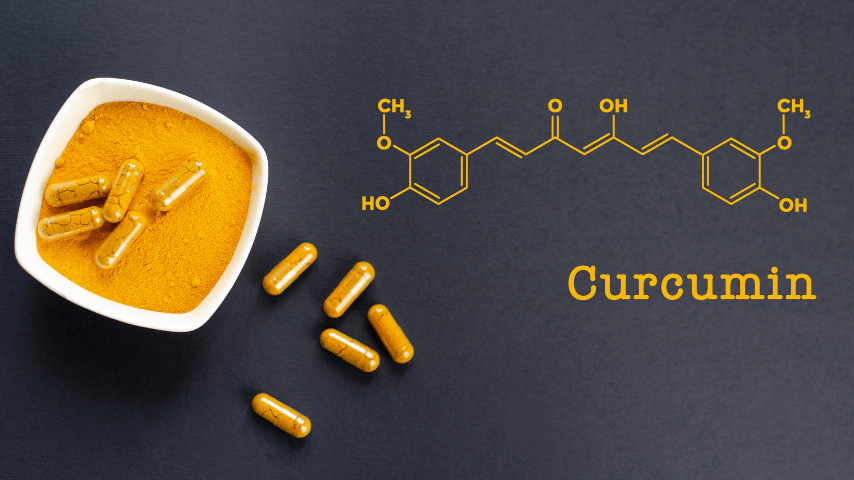
Turmeric: Known for its powerful anti-inflammatory effects due to its active ingredient curcumin, turmeric can help reduce inflammation and pain in joints. Research in the Journal of Medicinal Food has demonstrated that curcumin significantly reduces markers of inflammation and pain in osteoarthritis patients (Chainani-Wu, N., 2003).
2. Regular Exercise to Enhance Joint Function
Engaging in regular physical activity is essential for maintaining joint health. Exercise strengthens the muscles around the joints, which helps to reduce the burden on the joint itself and alleviates pain. Recommended activities include:
Stretching: Stretching plays a vital role in enhancing your overall flexibility, allowing your muscles and joints to move more freely and with a greater range of motion. Additionally, regular stretching helps to reduce stiffness in the joints, making everyday movements more comfortable and decreasing the likelihood of pain and injury.
Strength training: Strength training is essential for building and strengthening the muscles that surround and support your joints. By enhancing the muscle support around these areas, you help stabilize the joints, reducing the risk of injury and easing the strain that can lead to pain and discomfort.
Low-impact aerobic exercises: Activities like swimming or cycling are excellent low-impact exercises that provide a full-body workout without placing excessive strain on your joints. These types of exercises allow you to stay active and improve your cardiovascular health while minimizing the risk of joint pain and injury.

3. Lifestyle Modifications for Overall Well-being
Lifestyle changes can significantly impact the management of joint pain. These include:
Maintaining a healthy weight: Maintaining a healthy weight is crucial because it significantly reduces the pressure placed on your joints, especially in areas like the knees, hips, and lower back. By alleviating this excess strain, you can effectively decrease pain and improve your overall joint health, making daily activities more comfortable and reducing the risk of developing chronic joint issues.
Balanced diet: Incorporating foods rich in antioxidants and anti-inflammatory properties into your diet can play a key role in reducing inflammation throughout your body. These nutrients help to neutralize harmful free radicals and lower inflammatory responses, which can, in turn, alleviate pain and promote healthier joints.

FAQs
Q: Can exercise worsen joint pain?
A: While excessive or improper exercise can exacerbate joint pain, regular, moderate, and well-designed activities often improve joint strength and flexibility, reducing pain over time.
Q: How long does it take for supplements to work on joint pain?
A: It can vary, but many people begin to notice improvements in symptoms within a few weeks to months of consistent use.
Q: Is joint pain only related to aging?
A: While aging is a significant factor, joint pain can affect individuals of all ages, especially those who have sustained injuries or have lifestyle factors that increase their risk.
This comprehensive approach empowers you to take charge of your osteoarthritis management and improve your overall joint health, paving the way for a more active and enjoyable life.

References
- Towheed, T. E., et al. "Glucosamine therapy for treating osteoarthritis." Journal of the American Medical Association 2005;293(18):2257-2264.
- Uebelhart, D., et al. "Effect of oral chondroitin sulfate on knee cartilage in osteoarthritis." Annals of Rheumatic Diseases 2008;67(9):1579-1584.


Comments